
Zakim Bridge Boston: History, Design, and Skyline Views
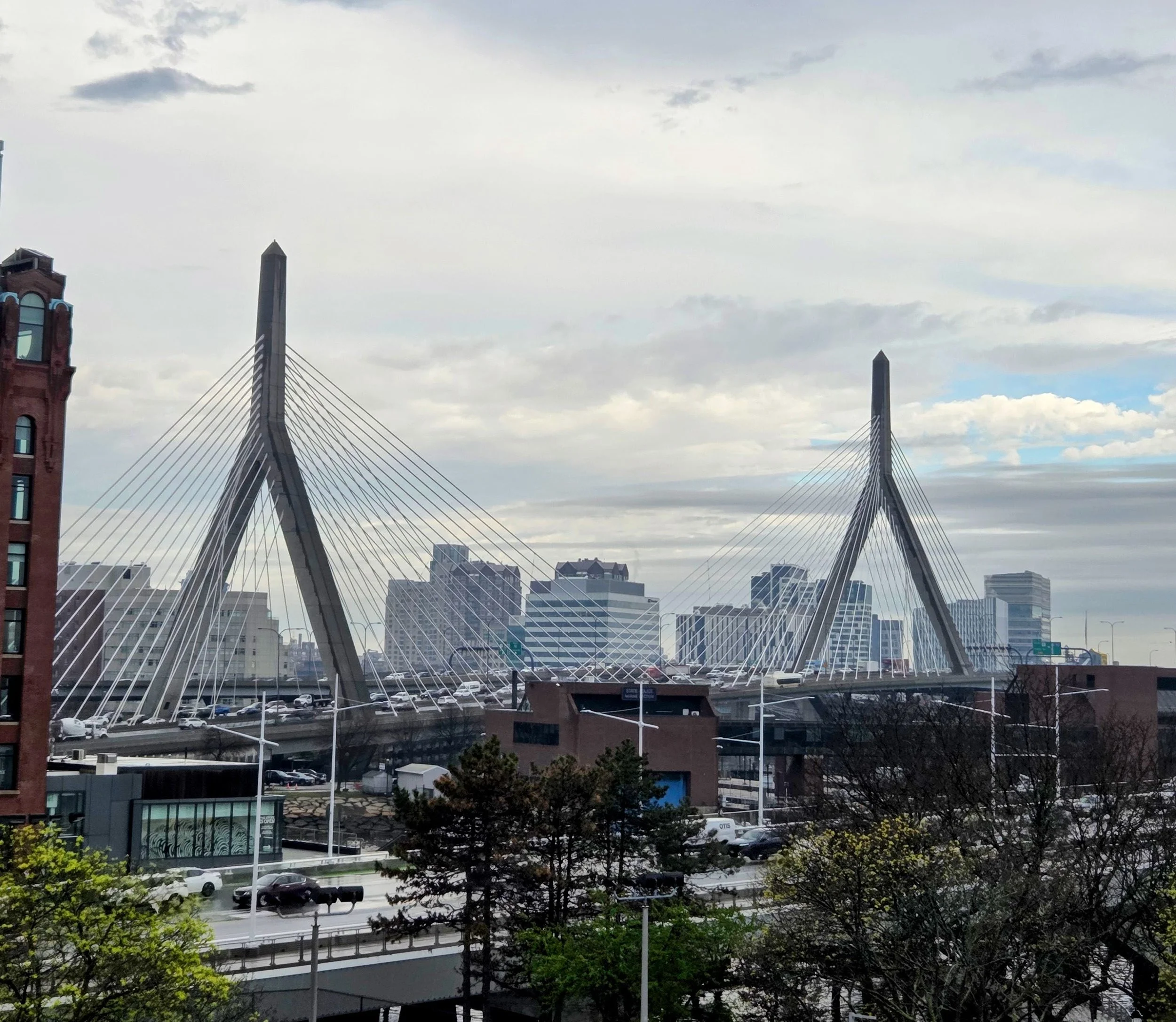
The Zakim Bridge is one of the most recognizable landmarks in Boston. Officially named the Leonard P. Zakim Bunker Hill Memorial Bridge, the cable-stayed span has defined the Boston skyline since 2003. Boston is a city that wears its history on its sleeve: cobblestone streets, colonial churches, and revolutionary landmarks around every corner, though this eye-catching feature is unmistakably modern. The structure is captivating with its white cables fanning out against the New England sky; it looks less like a highway and more like a massive sculpture.
A Bridge Born from the Big Dig
The Zakim Bridge was the crown jewel of the Big Dig, one of the most ambitious and expensive infrastructure projects in American history. For decades, an elevated section of Interstate 93 sliced through downtown Boston, cutting off the North End from the waterfront. The Big Dig rerouted that highway underground, giving Boston open parkland and better traffic flow.
At a final project cost of roughly $14.8 billion, the Big Dig reshaped the city in ways residents still feel today. The Rose Kennedy Greenway, a ribbon of parks running through the former highway footprint, is its most visible legacy. Today, the Zakim Bridge is one of the most photographed landmarks in Boston.
Engineering Behind the Zakim Bridge
Swiss bridge engineer Christian Menn designed the Zakim in collaboration with Boston-based Figg Engineering Group. The result is a cable-stayed bridge with two soaring towers that fan out into a distinctive V-shape, supporting 116 cables that hold the deck in tension. When it opened, it was the widest cable-stayed bridge in the world, carrying ten lanes of traffic across the Charles River.
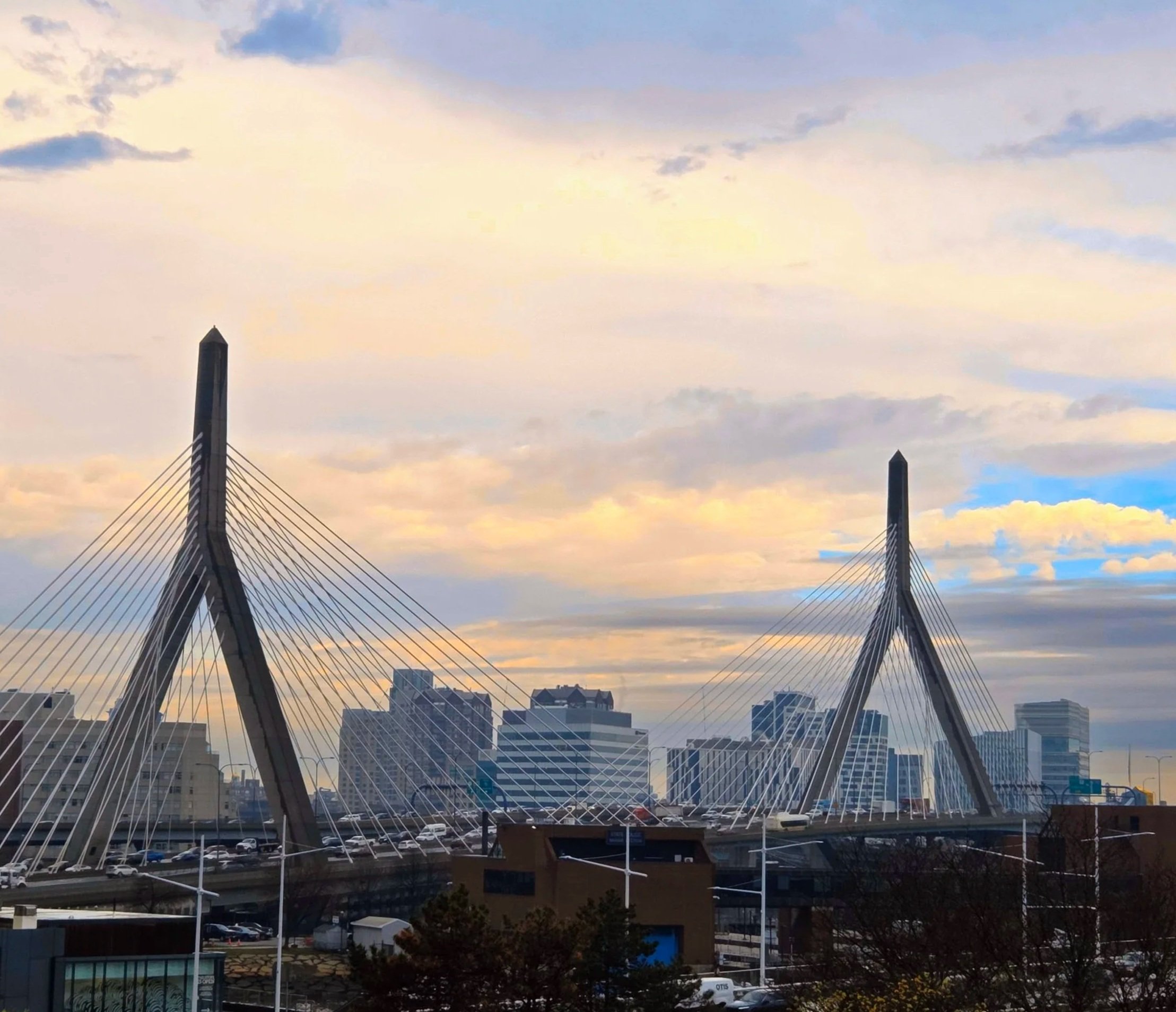
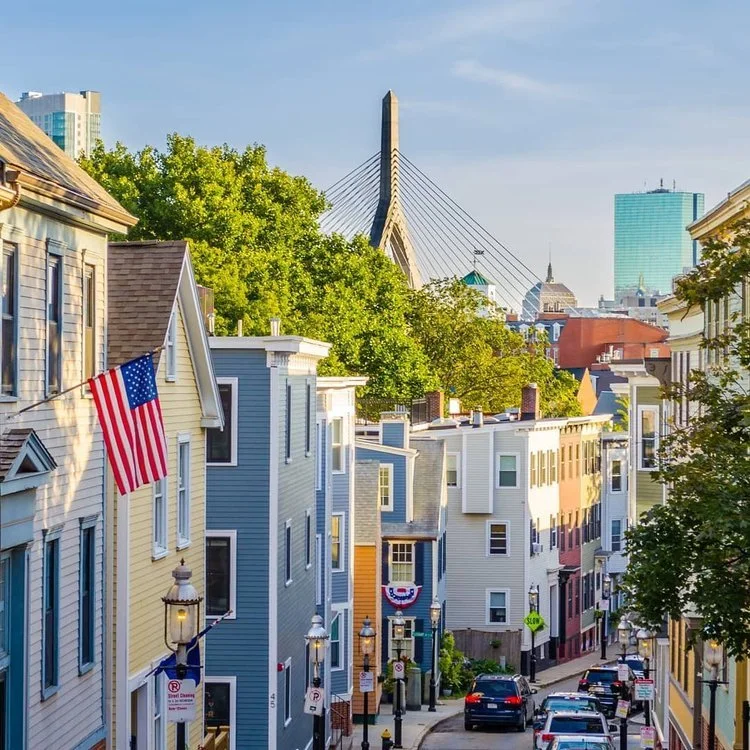
One of the most distinctive parts of the bridge design is the obelisk-shaped towers, a direct nod to the Bunker Hill Monument, which stands just a few blocks away in Charlestown. The towers were designed to foster a subtle architectural dialogue between past and present, with the 21st-century bridge literally pointing back to the 18th-century battle that helped define America.
Why the Zakim Bridge Is Named After Leonard P. Zakim
The bridge carries two names, layered with meaning, that tell the story of two different kinds of Boston heroes.
"Bunker Hill" honors the June 1775 battle fought on the slopes of Breed's Hill in Charlestown, one of the earliest and bloodiest engagements of the American Revolution. It was a battle the colonists technically lost, but it demonstrated they could stand and fight, which became a turning point in morale.
The other half of the name belongs to Leonard P. Zakim, a local civil rights leader and director of the New England Anti-Defamation League.
Zakim dedicated his life to fighting prejudice. He spent his career "building bridges" between diverse communities before passing away from cancer in 1999. The bridge was dedicated to him upon its completion.
Zakim Bridge Lights and Nighttime Displays
After dark, the Zakim takes on a second life. The Zakim Bridge functions as a civic billboard, using its programmable LED system to highlight causes, commemorations, and celebrations throughout the year. Throughout the year, the Zakim Bridge lights up in different colors to mark holidays, civic events, and public commemorations:
Gold for a Bruins playoff run
Green for Celtics in playoffs
Blue for Law Enforcement Appreciation (in mid-May) or in the wake of specific local or national line-of-duty tragedies to show solidarity.
Rainbowfor Pride month in June
Pink for breast cancer awareness in October
Red and green for the November and December holidays
Best Places to See the Zakim Bridge in Boston
Whether you arrive by train or cross via the adjacent pedestrian path, the Zakim Bridge is a must-see. It connects downtown Boston to the Charlestown Navy Yard, home to the USS Constitution, making it a perfect waypoint for exploring the city.
Some of the best views of the Zakim Bridge can be found from the North End waterfront, Paul Revere Park, the Charlestown pedestrian paths, and from trains entering North Station. At sunset, the white cables often glow against the Boston skyline.
It’s a landmark that reminds us that while Boston will always be a city of cobblestones and history, we’re not afraid to build something bold and new. If you find yourself stuck in I-93 traffic, don’t look at the bumper in front of you. Look up at the cables. It’s worth the view.
Frequently Asked Questions
Why is the Zakim Bridge famous?
The Zakim Bridge is famous for its modern cable-stayed design, connection to Boston’s Big Dig project, and its role in shaping the Boston skyline.
What does the Zakim Bridge connect to?
The bridge carries Interstate 93 across the Charles River, connecting downtown Boston with Charlestown.
Why does the Zakim Bridge change colors?
The Zakim Bridge uses programmable LED lighting to recognize holidays, charities, sports teams, and civic events.
